Kavomaz Kids Press
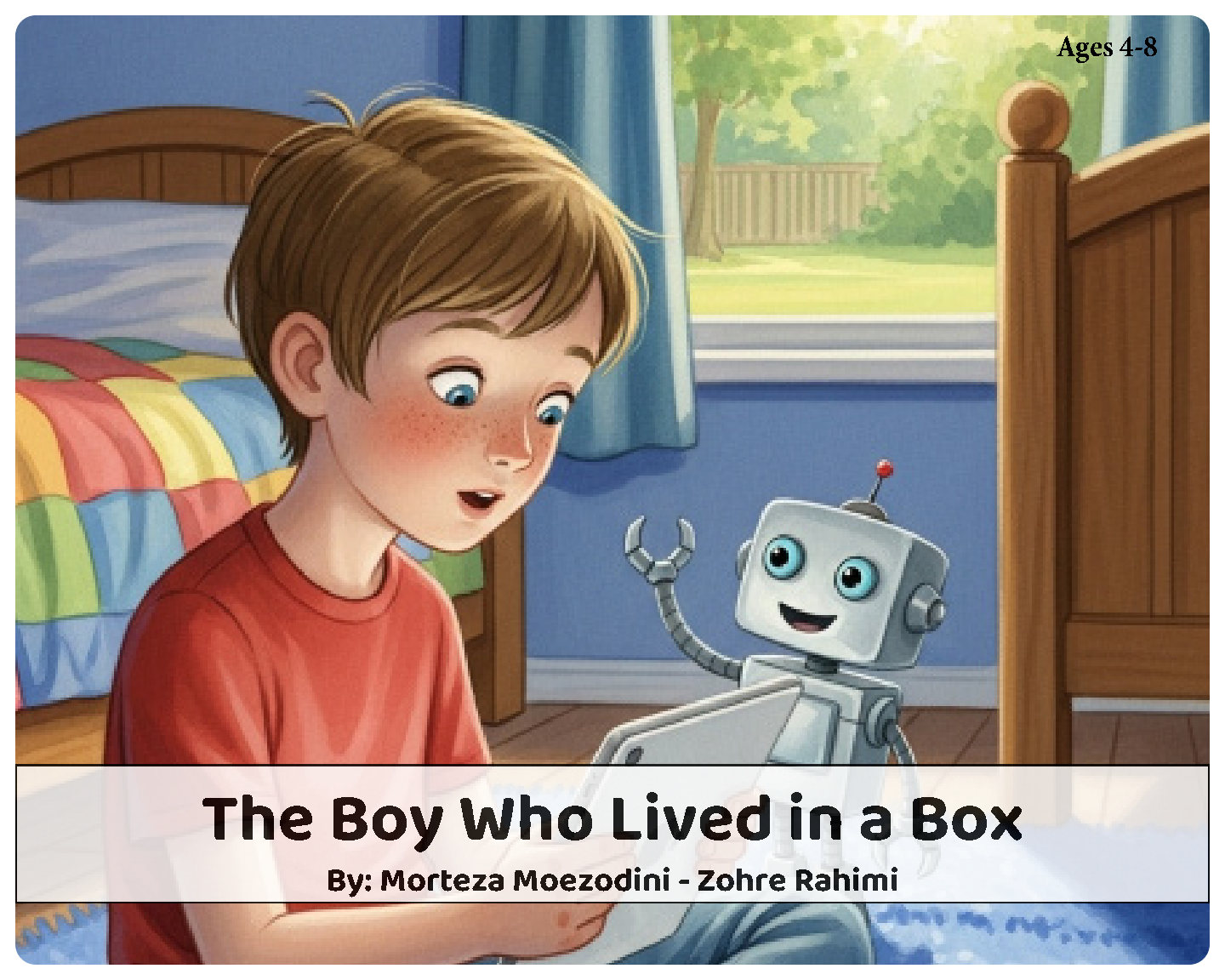
The Boy Who Lived in a Box
A magical story about imagination, feelings, and balance.
 Kavomaz BooksGlobal English book brand
Kavomaz Kids Press
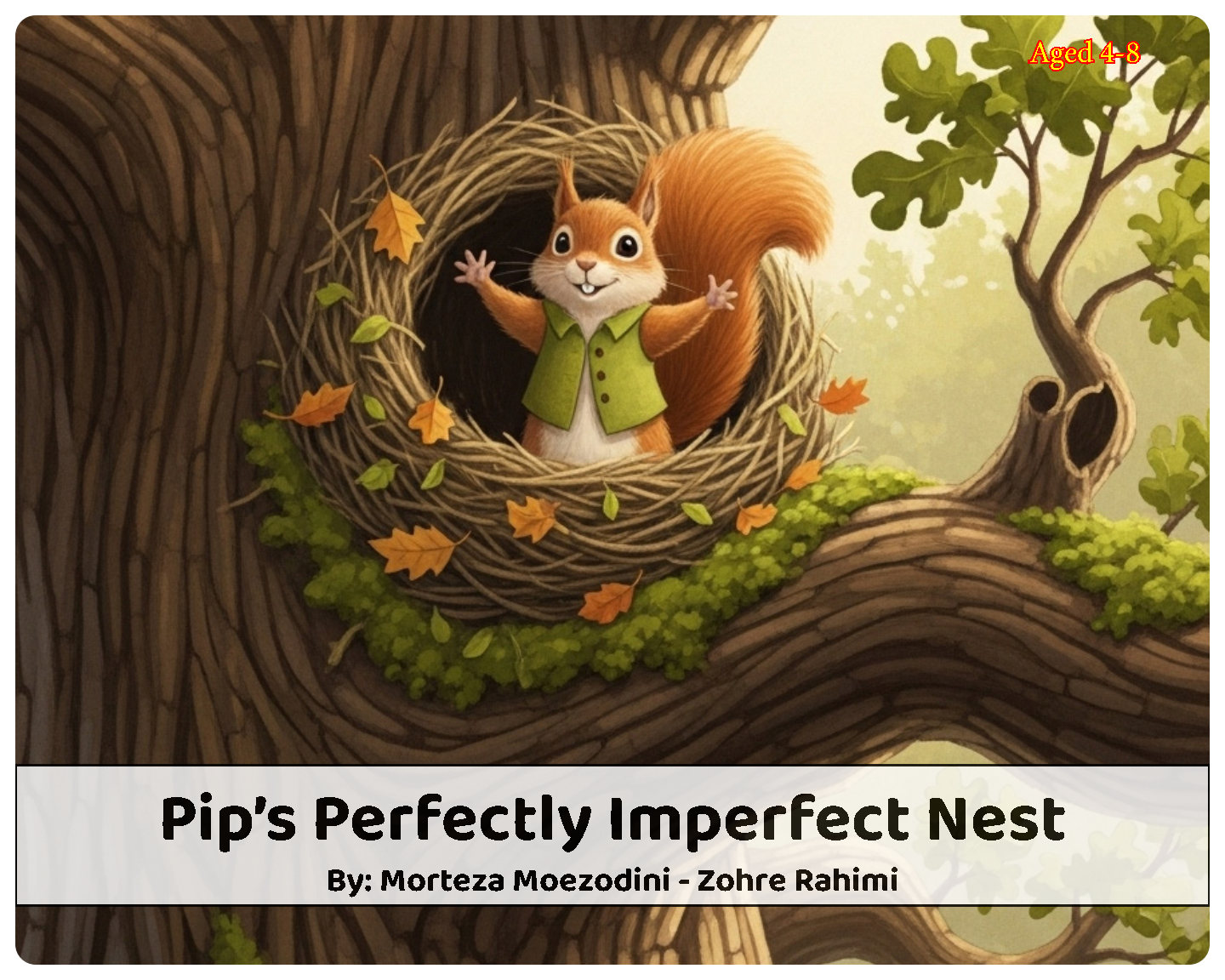
A reassuring story about mistakes, patience, and trying again while learning that something can be meaningful without being perfect.
Written by Morteza Moezodini Illustrated by Zohre Rahimi
About the story
Pip’s experience gives young readers a warm way to think about perfectionism and the frustration that can appear when a plan does not work immediately. The nest becomes a child-friendly image for creating, adjusting, and learning through attempts that may look different from the original idea.
The story supports a growth mindset without simply telling children to “try harder.” It makes room for disappointment, rest, flexibility, and self-kindness. Adults can use the book to notice effort without overpraising, ask what changed between attempts, and help a child define success as learning or completing something meaningful—not making it flawless.
Good for
Useful for children who become upset when work does not match the picture in their mind.
Pairs well with building, drawing, writing, or making something by hand.
Supports reflection on attempts, feedback, and flexible problem-solving.
Offers simple language for progress without dismissing frustration.
Conversation starters
Follow the child’s interest. One thoughtful question is enough; the goal is connection, not a correct answer.
Reader takeaways
Shows that mistakes can be useful steps in learning and creating.
TakeawayA warm story for family reading timeEncourages patience, flexible thinking, and the courage to try again.
TakeawayA gentle way to talk about feelings and choicesOffers families a positive language for talking about perfectionism and progress.
More from Kavomaz Kids Press
Kavomaz Kids Press
A magical story about imagination, feelings, and balance.



Kavomaz Kids Press
A heartwarming story about courage and confidence.
A parent and teacher guide to choosing warm, age-appropriate picture books that support emotional vocabulary and family conversations.
Practical ways to help ages 4–8 respond to mistakes and frustration without simply praising effort.
How to use stories to teach flexible thinking, recovery, patience, and the courage to try again.