
A strong story about mistakes shows the first plan, the setback, the information revealed, and the changed approach that follows.
Confidence develops through manageable action, useful support, and recovery after imperfect attempts. Young children need specific next steps rather than broad demands to be brave or work harder. Stories can show that preparation, flexible strategy, rest, and help-seeking are all part of courage.
What to notice
Look for a real problem-solving arc rather than success through luck or humiliation of the main character.
How to respond
Notice the recovery moment, not only the final success. Breathing, asking for help, repairing, simplifying, and resting are transferable skills.
How stories can help
Connect the story to one low-pressure challenge such as building, drawing, joining a game, or fastening a button.
At home or in a classroom
At home, agree on the size of the next step before a challenge begins. In a classroom, compare strategies rather than children and make revision visible as normal work. Progress may be uneven, so adults should notice conditions that helped instead of expecting a straight line.
Keep the practice brief, repeatable, and optional where possible. A useful routine should reduce pressure, provide clear boundaries, and leave the child with a next step that can actually be used.
A practical six-step plan
- Identify the first plan.
- Name the feeling after it failed.
- Find the information inside the mistake.
- Notice the strategy change or support.
- Try the sequence with a small challenge.
- Celebrate reflection and repair.
A simple activity to try
Create a mistake museum with harmless examples and a caption explaining what each result taught or inspired.
Conversation prompts
- What did the first attempt teach?
- What changed in the second plan?
- Who offered useful support?
- What if the next attempt also fails?
Keep the story enjoyable
Read for pleasure first. A child may connect with the idea during play, on a later day, or without discussing it aloud. One optional question is usually enough. Repetition is valuable because familiar characters and illustrations let children notice new details while feeling secure.
Adults can model the skill in ordinary moments and avoid using the book as proof that a child must behave in one correct way. The story is an invitation to notice, practice, and talk—not a test.
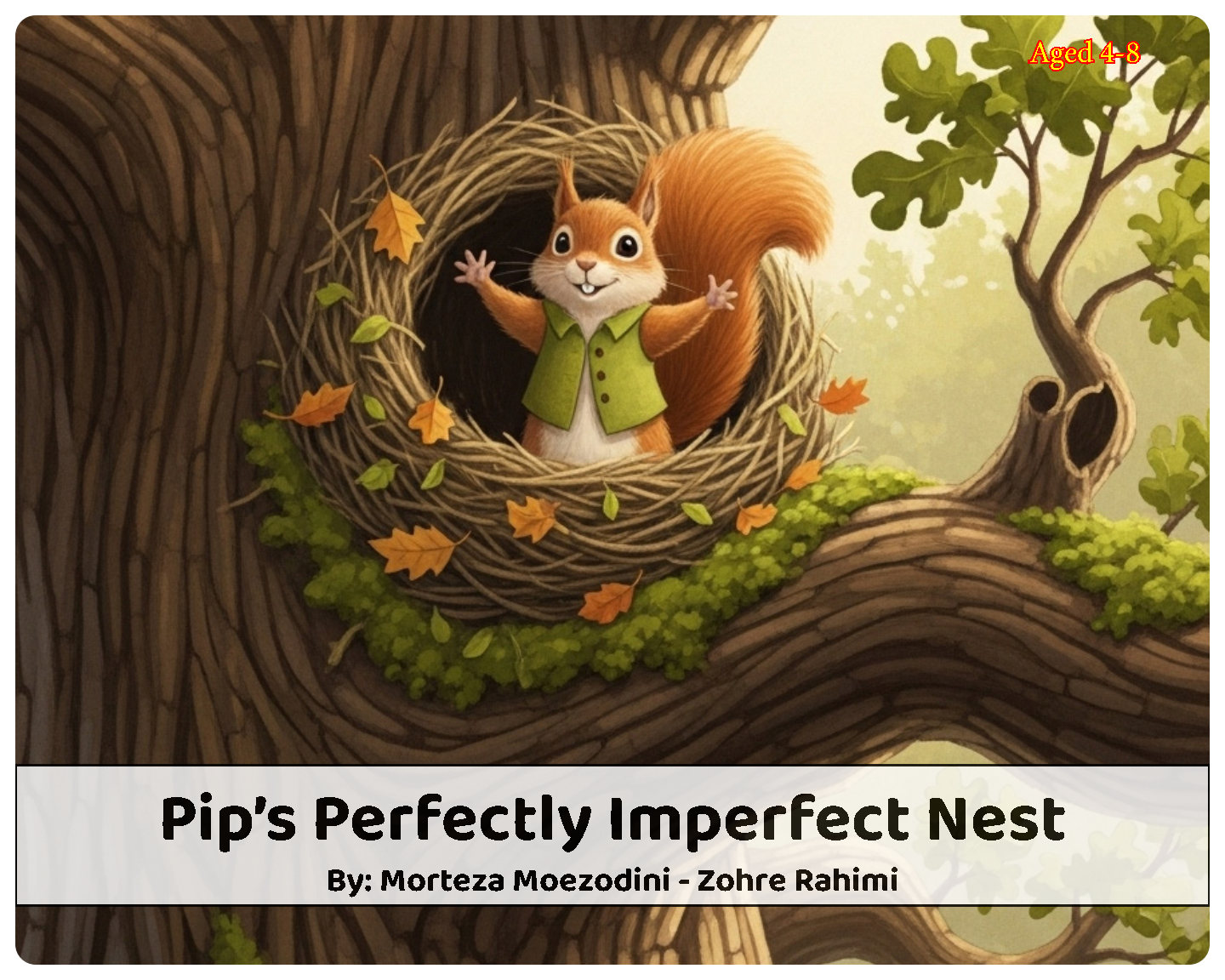
Explore Pip’s Perfectly Imperfect Nest
This guide is educational and is not a substitute for individualized medical, developmental, mental-health, or educational advice. Seek qualified guidance when a child’s distress or difficulty is persistent, severe, affects safety, or interferes with daily life.