
A useful feelings book does more than label emotions. It gives children a safe distance from a problem, shows understandable choices, and leaves room for optional conversation.
Children build emotional skills through repeated experiences of safety, language, choice, and repair. Adults can model calm curiosity and keep conversations short enough for a young child to use. Stories are especially helpful because a character can carry the difficult feeling while the child observes from a comfortable distance.
What to notice
Look for emotional honesty without shame or frightening consequences. Characters can feel worried, jealous, lonely, or frustrated while still receiving clear boundaries and support.
How to respond
Choose a manageable amount of text and illustrations that carry part of the emotional story through faces, posture, setting, weather, and color.
How stories can help
Prefer books that invite discussion rather than demand a lesson. A story should still feel complete when a child does not want to answer questions.
At home or in a classroom
At home, use the same simple language across calm and difficult moments so the child does not have to learn a new system while upset. In a classroom, offer private or nonverbal participation as well as group discussion. No child should be required to disclose a personal experience in front of others.
Keep the practice brief, repeatable, and optional where possible. A useful routine should reduce pressure, provide clear boundaries, and leave the child with a next step that can actually be used.
A practical six-step plan
- Identify the book’s one main emotional theme.
- Check age, text length, and illustration style.
- Look for an imperfect but understandable character.
- Choose hopeful, believable resolution.
- Plan one optional question, not a worksheet.
- Revisit favorite stories to deepen vocabulary.
A simple activity to try
Use a three-page preview: check whether the character, emotional situation, and visual tone are clear, warm, and suitable for repeated reading.
Conversation prompts
- What changed for the character?
- Which picture showed the feeling most clearly?
- What might the character need?
- Would you choose the same action?
Keep the story enjoyable
Read for pleasure first. A child may connect with the idea during play, on a later day, or without discussing it aloud. One optional question is usually enough. Repetition is valuable because familiar characters and illustrations let children notice new details while feeling secure.
Adults can model the skill in ordinary moments and avoid using the book as proof that a child must behave in one correct way. The story is an invitation to notice, practice, and talk—not a test.
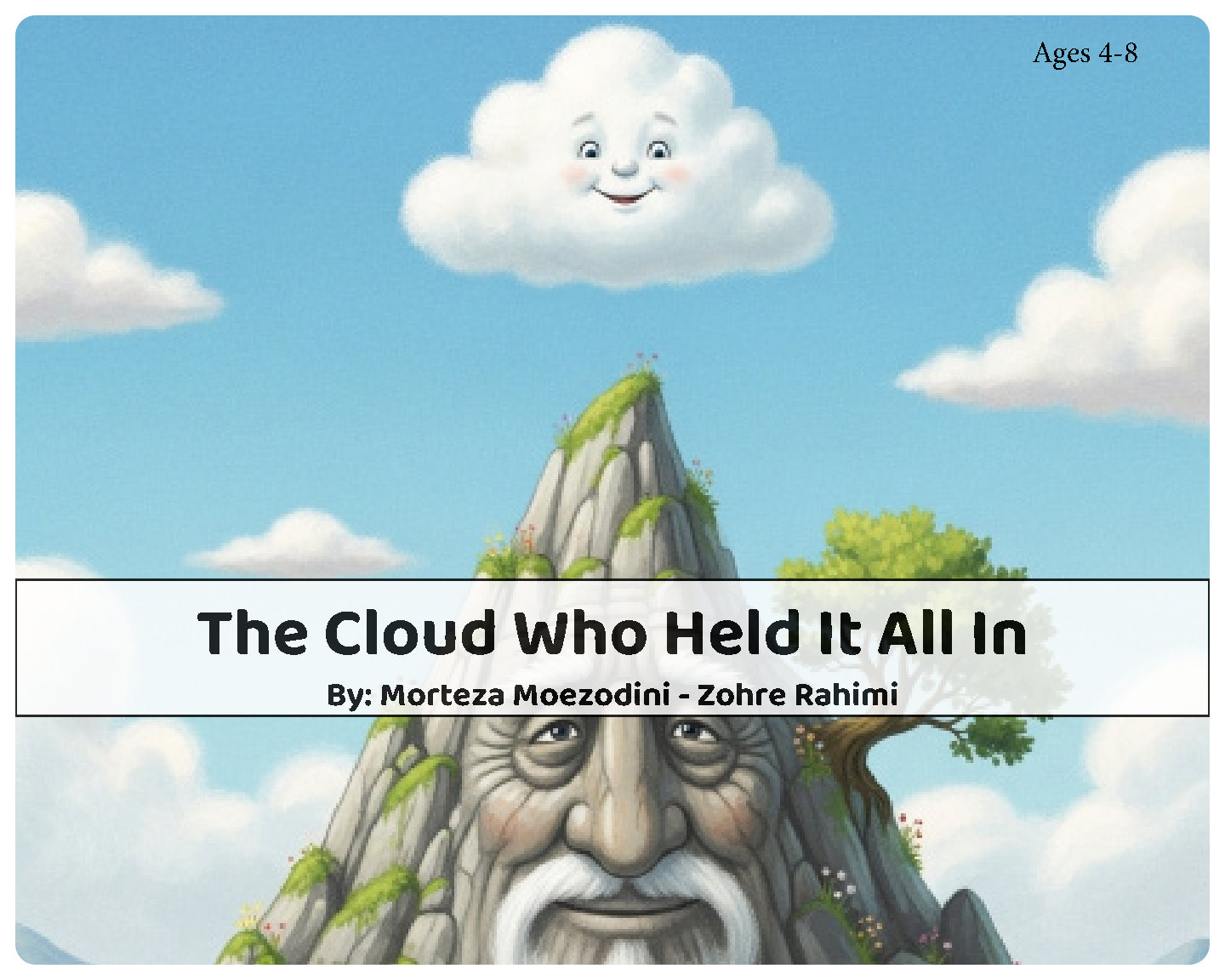
Explore The Cloud Who Held It All In
This guide is educational and is not a substitute for individualized medical, developmental, mental-health, or educational advice. Seek qualified guidance when a child’s distress or difficulty is persistent, severe, affects safety, or interferes with daily life.