
Kindness is more than being pleasant. Children can learn to notice needs, ask before helping, include others, care for shared spaces, and repair harm.
Kindness and care become meaningful when children notice a real need, understand why an action helps, and see adults sharing responsibility. The goal is not public performance or forced positivity. Small, accurate, consent-aware actions help children connect stories with everyday community life.
What to notice
Teach noticing before action. Ask what the child observes and what kind of help might fit, without assuming every situation needs intervention.
How to respond
Include consent with a simple question such as “Would you like help?” so kindness does not become control.
How stories can help
Treat repair as a real skill: return, rebuild, check on someone, give space, or make a different choice next time.
At home or in a classroom
At home, connect the idea to one real person, object, plant, animal, or shared space. In a classroom, build consent, safety, and local accuracy into every action. Children learn most when adults participate and explain the effect of the action without turning it into a public performance.
Keep the practice brief, repeatable, and optional where possible. A useful routine should reduce pressure, provide clear boundaries, and leave the child with a next step that can actually be used.
A practical six-step plan
- Notice one need.
- Ask whether help is wanted.
- Choose a small action.
- Observe the effect without demanding thanks.
- Practice repair after a careless moment.
- Read stories where kindness includes courage.
A simple activity to try
Take a kindness detective walk and look for one thing to care for, one thing to organize, and one person who may appreciate help.
Conversation prompts
- What did you notice?
- How can we check whether help is welcome?
- What could repair this situation?
- Can kindness include giving space?
Keep the story enjoyable
Read for pleasure first. A child may connect with the idea during play, on a later day, or without discussing it aloud. One optional question is usually enough. Repetition is valuable because familiar characters and illustrations let children notice new details while feeling secure.
Adults can model the skill in ordinary moments and avoid using the book as proof that a child must behave in one correct way. The story is an invitation to notice, practice, and talk—not a test.
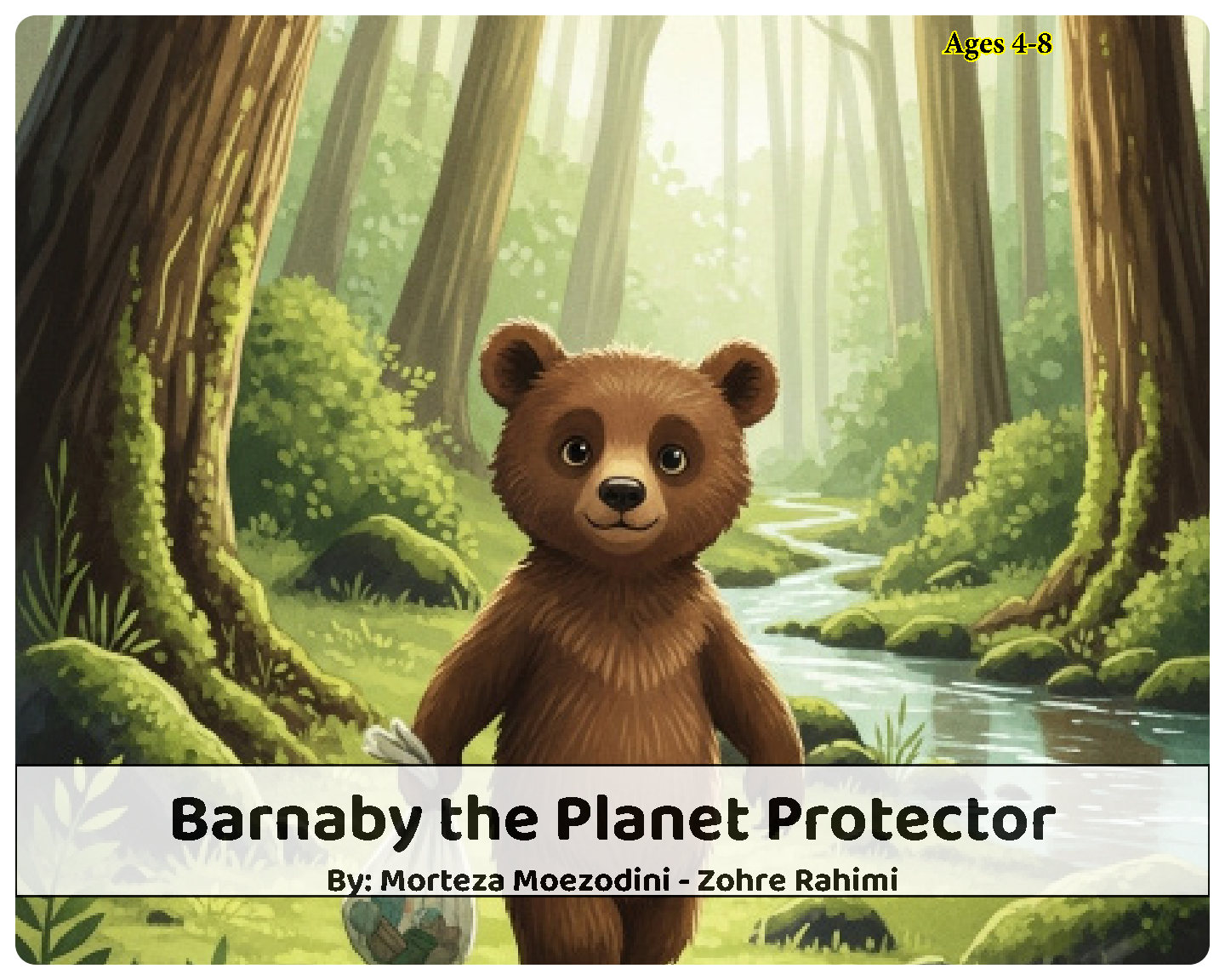
Explore Barnaby the Planet Protector
This guide is educational and is not a substitute for individualized medical, developmental, mental-health, or educational advice. Seek qualified guidance when a child’s distress or difficulty is persistent, severe, affects safety, or interferes with daily life.